10 reasons why humidity control matters

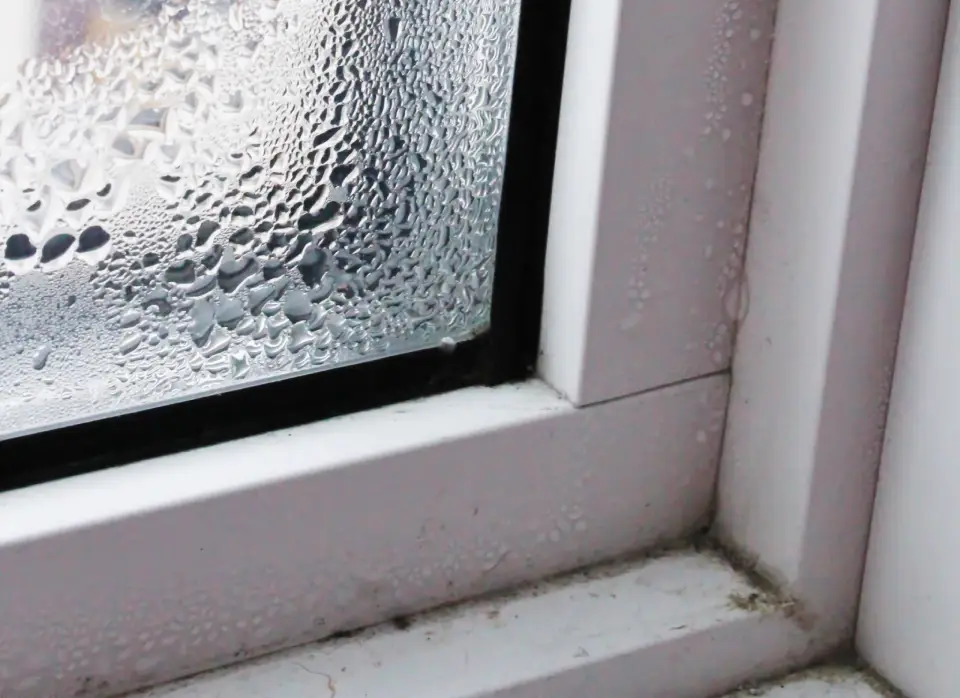
With a dedicated humidity workshop taking place during IAQ26 in Cairns, AIRAH’s IAQ Special Technical Group (STG) reflects on the importance of humidity control.
People living in Australia spend up to 90% of their time indoors, whether that be at home, at work, in public buildings, or even on public transport. While temperature and energy use often take centre stage for building managers, humidity plays a vital yet underappreciated role in shaping the quality, comfort and performance of these spaces.
While currently viewed primarily through the lens of thermal comfort, effective humidity control supports healthier indoor environments and occupant wellbeing, helping to protect the integrity of building material.
AIRAH members play a key role in managing humidity in buildings, yet many may not fully recognise the broader impact this work can have at the intersection of health, productivity building, energy performance. and economic outcomes. We’ve outlined 10 reasons why.
10 impacts of poor humidity control
1. Structural damage and material degradation
High levels of interstitial moisture can lead to condensation within walls and roofs. As it is typically concealed from view, this hidden moisture can lead to corroded metal components, damaged
insulation, and weakened structural materials. Managing moisture at the envelope level is essential for long-term building durability.
2. Increased mould and microbial growth
High levels of water activity (relative humidity at the surface) and low dewpoint temperature in the occupied space can lead to mould and microbial infiltration. Condensation on coils, cooling fins ducts, registers and some filters create ideal conditions for mould and biofilm formation. This moisture can support the growth of complex, self-protecting microbial communities in HVAC systems, which increases the risk of disease transmission and antibiotic resistance
3. Cross-contamination via HVAC systems
HVAC systems can act as distribution networks for unhealthy air, spreading pathogens and pollutants to multiple zones and surfaces within a building. Receiving surfaces can go on to become secondary sources of contamination and pose an inhalation risk to occupants.
4. Weakened immune defences
Low humidity impairs the body’s natural defences by drying out the respiratory tract and reducing its ability to trap and expel airborne pathogens. Dry air has been linked to higher rates of respiratory illness and hospital-acquired infections.
5. Occupant comfort
People have been shown to be more sensitive to relative humidity than to small or moderate changes in temperature. Both high and low humidity reduce perceived comfort and satisfaction in indoor spaces. Humidity extremes can lead to wasted energy as air temperature is adjusted to increase comfort in vain.

Low humidity is also an issue – it is strongly linked to increased vulnerability to infectious illnesses due to drying of mucous membranes
6. Mental health and productivity risks
Prolonged exposure to environments with very high or very low humidity has been associated with mental fatigue, reduced cognitive performance, and increased absenteeism – all of which have financial consequences.
7. One size does not fit all
Australia’s diverse climate zones mean building envelopes, HVAC systems, and moisture control strategies must be tailored. Applying a uniform approach to humidity management risks failure in both hot, humid and cold, dry climates
8. Local insight required
Understanding local weather patterns and how they’re shifting as the climate changes is critical. AIRAH members are uniquely positioned to anticipate and design for these changes using regionally specific knowledge and experience. For example, oversizing AC to accommodate more cooling capacity in a warmer climate can actually worsen moisture control and prematurely age the building, while undersizing can cause problems of its own.
9. Altered pollutant behaviour
Humidity affects the chemical and physical properties of indoor pollutants, influencing how they are released, suspended, or absorbed and released by building materials and surfaces, as well as how they enter and spread through the human body
10. Shorter building life
Unlike temperature or ventilation rates, humidity control is not a standard regulatory requirement in most building types. As a result, humidity is frequently excluded from design priorities and operational checks. This regulatory gap contributes to buildings that may comply with the code, yet underperform when it comes to occupant health, comfort, and long-term durability.
This lack of regulation prevents the design life of buildings being realised, resulting in premature replacement of buildings.
Existing design and performance standards for humidity and IAQ affect the success of our buildings and satisfaction of occupants. Despite this, the different standards often conflict or fail to achieve their targets.
This article appears in Ecolibrium’s Autumn 2026 edition
View the archive of previous editions
From our advertisers

Recent articles



Latest edition
See everything from the latest edition of Ecolibrium, AIRAH’s official journal.