-

Tackling performance for the 90 percent
Research has delivered abundant evidence the energy and thermal comfort performance of much of Australia’s existing housing is woeful.
-
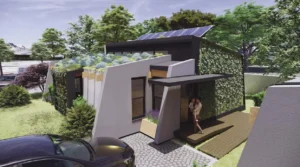
Reimagining the humble cabin
Samantha Bothma M.ACould clever design improve the thermal performance of holiday cabins and reduce the energy needed to cool and heat them? Willow Aliento investigates.
-
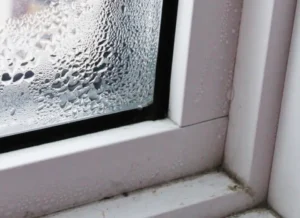
10 reasons why humidity control matters
With a dedicated humidity workshop taking place during IAQ26 in Cairns, AIRAH’s IAQ Special Technical Group (STG) reflects on the importance of humidity control.
-
Toolshed summer 2025-26
Daikin ducted range
-
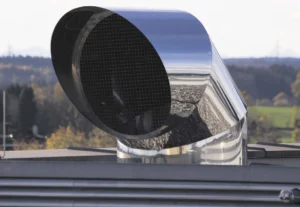
Fresh air forever
-
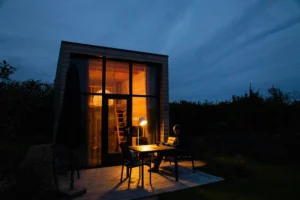
The big impact of tiny living
Australians own and use an excessive amount of floor space compared to other countries. Laura Timberlake explores how going small can have big benefits for thermal performance, heating and cooling costs, and the embodied carbon of residential buildings.
-

Building confidence in performance prediction
Team Catalyst Director PC Thomas makes the case for an accreditation scheme for professionals working in building performance simulation.
-
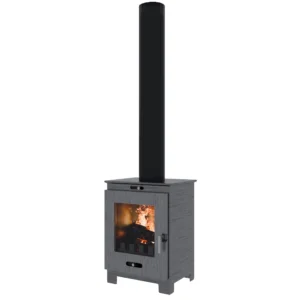
Where there’s smoke …
New research by the University of Tasmania’s Centre for Safe Air estimates that smoke from wood heaters causes hundreds – if not thousands – of premature deaths in Australia every year.
-
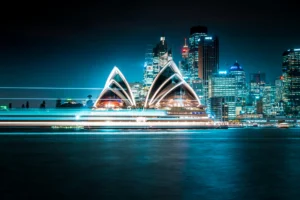
Electrifying the harbour city
Muhammad Ali from energy consultancy Arcadis Australia Pacific explains how Sydney could soon generate 75% of its energy needs from local renewable sources.
-

Spectacular conversion
Cutting-edge HVAC and BMS design played a huge role in the Canberra Raiders’ redevelopment of their spiritual home at Northbourne Oval. Here’s how the state-of-the-art project unfolded.
-

Three cheers!
The electrification of 3 Ravens brewery in Melbourne could serve as a blueprint for other craft operations, as Nick Johns-Wickberg discovers.
-
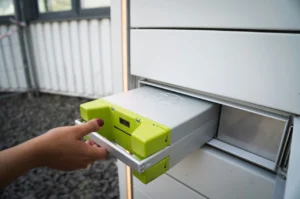
How to make money from batteries
Craig Roussac from Buildings Alive looks at what investing in batteries can mean for building owners in Australia.
-
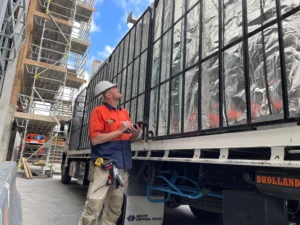
The road to certification
Dan Hadley examines what’s required to meet the International Organization for Standardization’s ISO 14001:2015 – environmental management systems in construction, using Watson Fitzgerald & Associates as a case study.
-
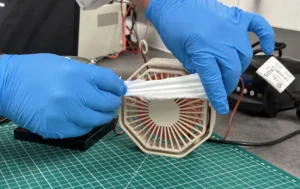
Could static power AC?
Researchers at RMIT have created an invention from waste polystyrene that generates static electricity from motion and wind.
-
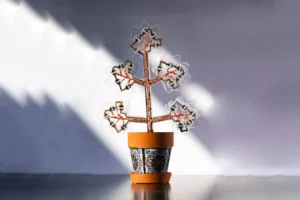
Artificial plants to capture CO2
Researchers at Binghamton University are developing bacteria-powered biobatteries into artificial indoor plants that can produce oxygen and generate power.
-

Home improvement
Many Australians live in substandard housing, but what can we actually do to improve thermal performance and reduce our energy bills?
-
What lies beneath
Geothermal cooling is relatively underdeveloped in Australia, but as Ecolibrium staff writer Nick Johns-Wickberg discovers, its potential is huge.
-
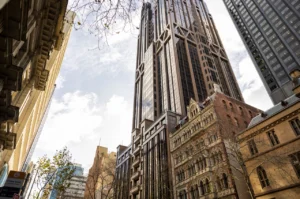
A Gothic tale
An historic Melbourne precinct has experienced a complete reinvigoration that has not only attracted new clients, but returned some of the city’s most spectacular heritage spaces to the public.
-
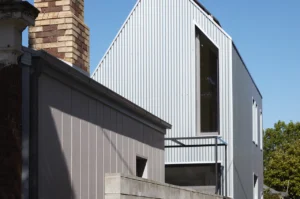
Tight done right
The owners of a Passivhaus residential development in Melbourne’s inner suburbs have adopted a pragmatic approach to design, ensuring the best possible outcome on a site overshadowed by neighbouring buildings. Sean McGowan reports.
-

Powering a smarter future
What role does data play in the electrification of buildings? With a focus on machine learning, artificial intelligence and the interaction with the electricity grid, a panel at AIRAH’s recent Building Date Forum explored this fascinating topic.