Page 1
Built environment
-

Rethinking humidity in data centres: From electrostatic risk to corrosion control
Recommended relative humidity limits in data centers with a specific focus on the upper and lower limits of relative humidity (RH) – insights from ASHRAE Thermal Guidelines for Data Processing Environments1, Chapter 2.
-

Tackling performance for the 90 percent
Research has delivered abundant evidence the energy and thermal comfort performance of much of Australia’s existing housing is woeful.
-
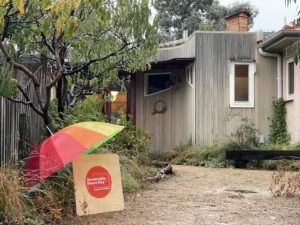
Putting out the welcome mat for a sustainable future
On Sunday, May 17, 2026, homeowners around Australia opened their doors to the public for Sustainable House Day.
-
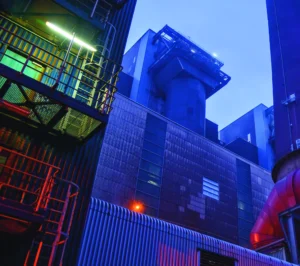
Choosing the right air filter for AS 1668.2:2024
Australian air filtration requirements for mechanically ventilated spaces are about to undergo a seismic shift – bringing local standards in line with international peers after lagging behind for over a decade.
-

Meeting IAQ requirements in a South Australian canteen environment: reverse cycle versus indirect evaporative cooling
Poor indoor air quality is increasingly recognised as a hidden health risk, driving respiratory problems, exacerbating chronic disease, and accelerating the transmission of airborne infections
-
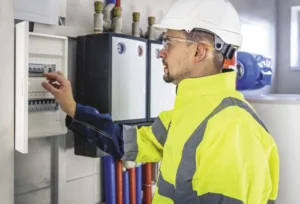
Total control
We examine the important role instrumentation and control technicians – or “instros” for short – play in optimising HVAC&R systems.
-
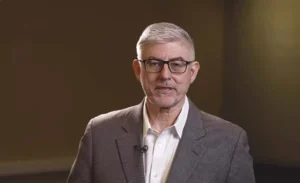
Prioritising people in HVAC design
AIRAH Advocacy and Policy Manager Mark Vender speaks with ASHRAE Fellow and Distinguished Lecturer Robert Bean, whose occupant-first philosophies have sparked an entirely different way of thinking about HVAC design.
-

The triple benefits of double-skin façades
Daniel Bonatti, M.AIRAH, explains how double-skin façades can improve building performance through enhanced heat, light and acoustic management.
-
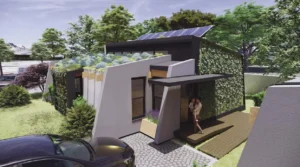
Reimagining the humble cabin
Samantha Bothma M.ACould clever design improve the thermal performance of holiday cabins and reduce the energy needed to cool and heat them? Willow Aliento investigates.
-
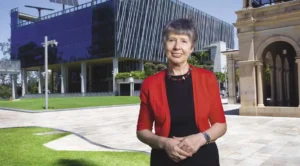
The living laboratory
Ecolibrium speaks with Distinguished Professor Lidia Morawska about an ambitious QUT project to provide world-leading indoor air quality monitoring and control in a university building.
-
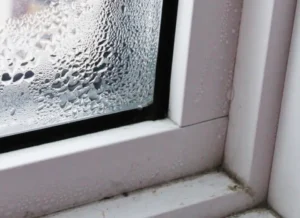
10 reasons why humidity control matters
With a dedicated humidity workshop taking place during IAQ26 in Cairns, AIRAH’s IAQ Special Technical Group (STG) reflects on the importance of humidity control.
-
The art of working within the unknown
-
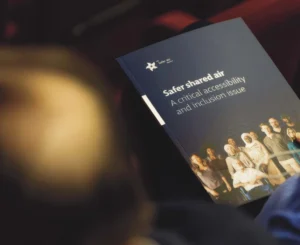
Making the invisible visible
-
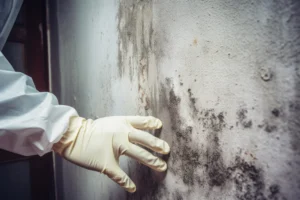
Fighting the hidden killer
With Standards Australia recently adopting a mould remediation standard, we look at how this hidden killer can harm both building occupants and HVAC&R technicians.
-
Fresh air forever
-
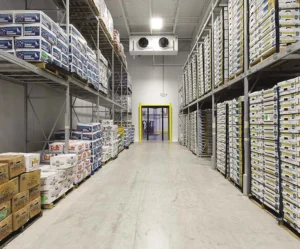
The importance of vapour barriers in refrigeration
-
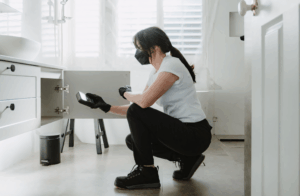
Insights from a mould inspector
Ecolibrium speaks with Jess Ward, whose experience with mould-related illness led to an extraordinary career change.
-
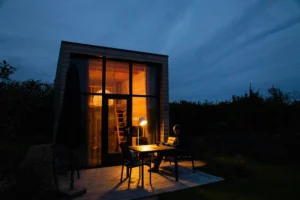
The big impact of tiny living
Australians own and use an excessive amount of floor space compared to other countries. Laura Timberlake explores how going small can have big benefits for thermal performance, heating and cooling costs, and the embodied carbon of residential buildings.
-
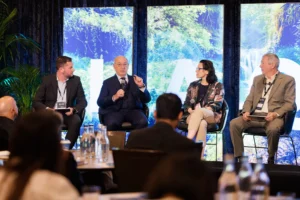
Key takeaways from IAQ25
We look back at the major discussions from AIRAH’s 2025 Indoor Air Quality Conference (IAQ25), which was held in Melbourne from May 26–27.
-

Celebrating AS 1668.2, Australia’s misunderstood ventilation hero
Sonia Holzheimer, M.AIRAH, reflects on the good, the bad, and the ugly misunderstood aspects of AS 1668.2.