Ecolibrium edition
Autumn 2026
The Autumn issue of Ecolibrium takes readers under the hood of an advanced battery manufacturing facility, explores the building physics of double-skinned facades and showcases the research strategy being activated by Distinguished Professor Lidia Morawska that’s turning a building at QUT into a living laboratory. There’s also a thoughtful feature on how the HVAC&R industry is progressing on parental leave, some inspiring innovation in the form of eco-cabins with biosolar roofs and technical insight on topics including humidity control and indirect evaporative cooling.
Articles
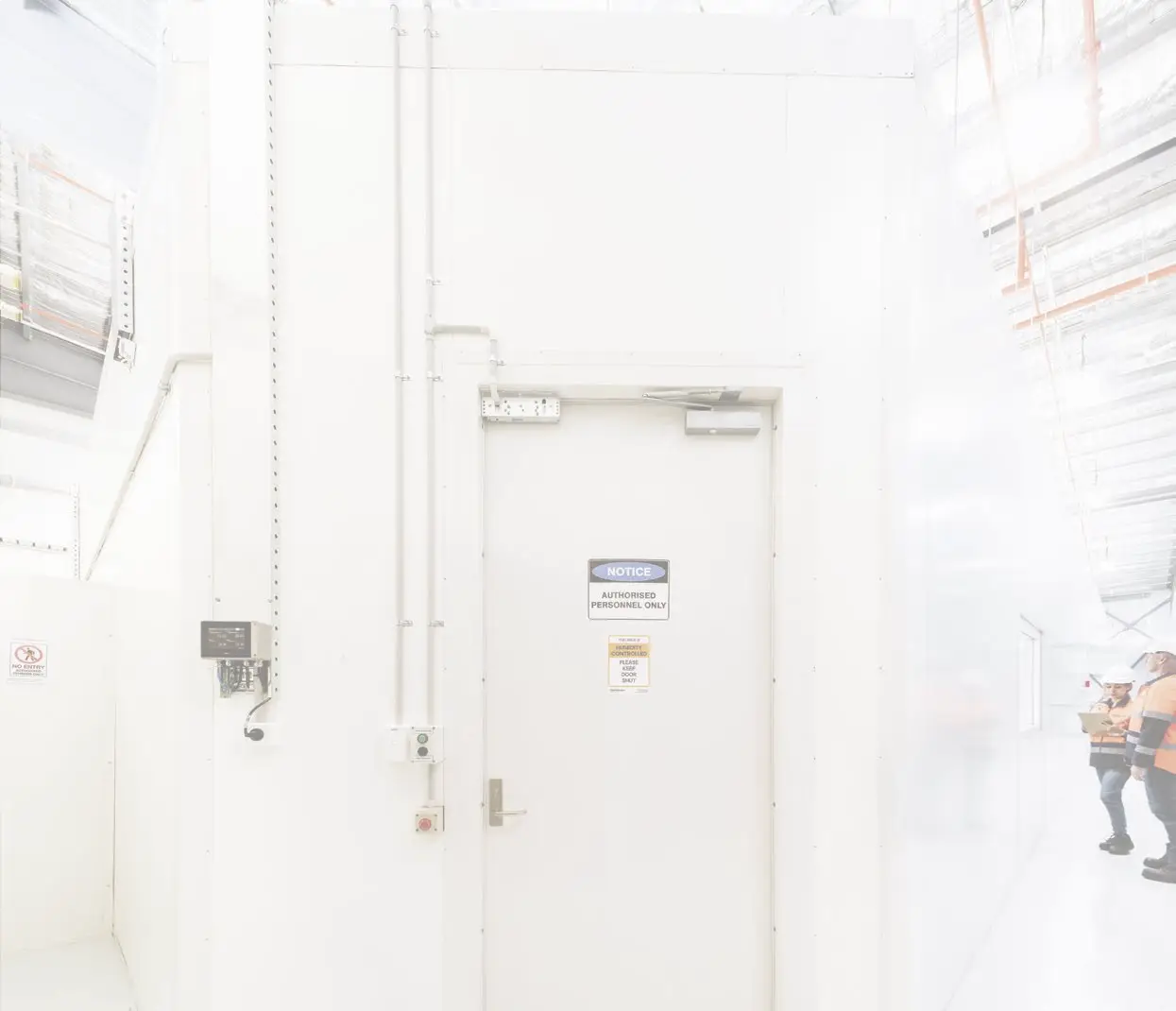
Ultra-low dew point design in action
Humiscope Director John Morgan and Mechanical Engineer Ladan Bagherzadeh look at the challenges of designing and delivering an ultra-low dew point environment for lithium‑sulphur battery manufacturing.
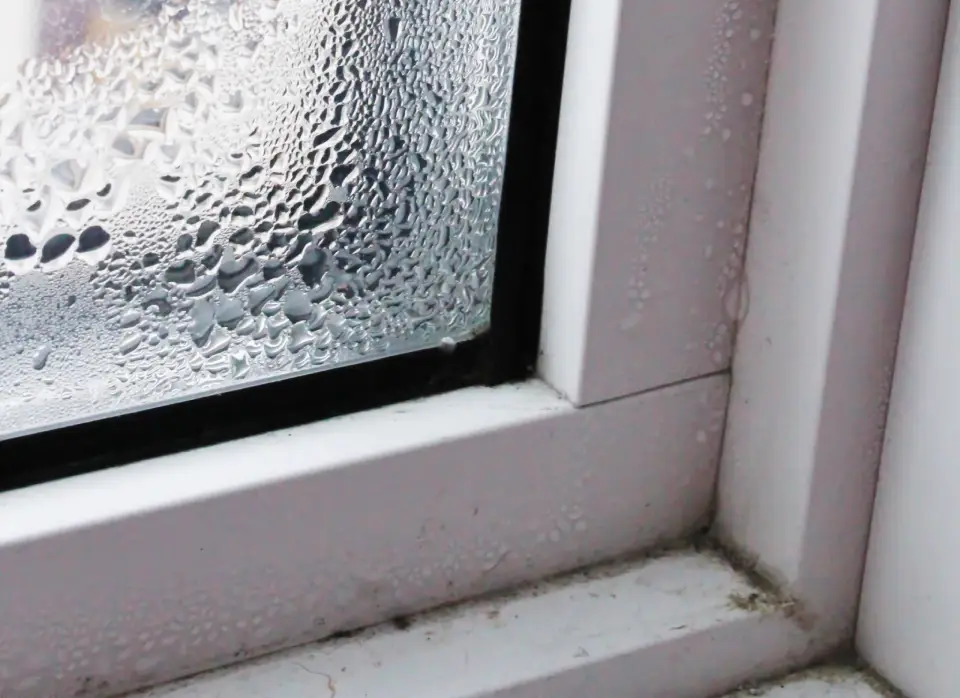
10 reasons why humidity control matters
With a dedicated humidity workshop taking place during IAQ26 in Cairns, AIRAH’s IAQ Special Technical Group (STG) reflects on the importance of humidity control.
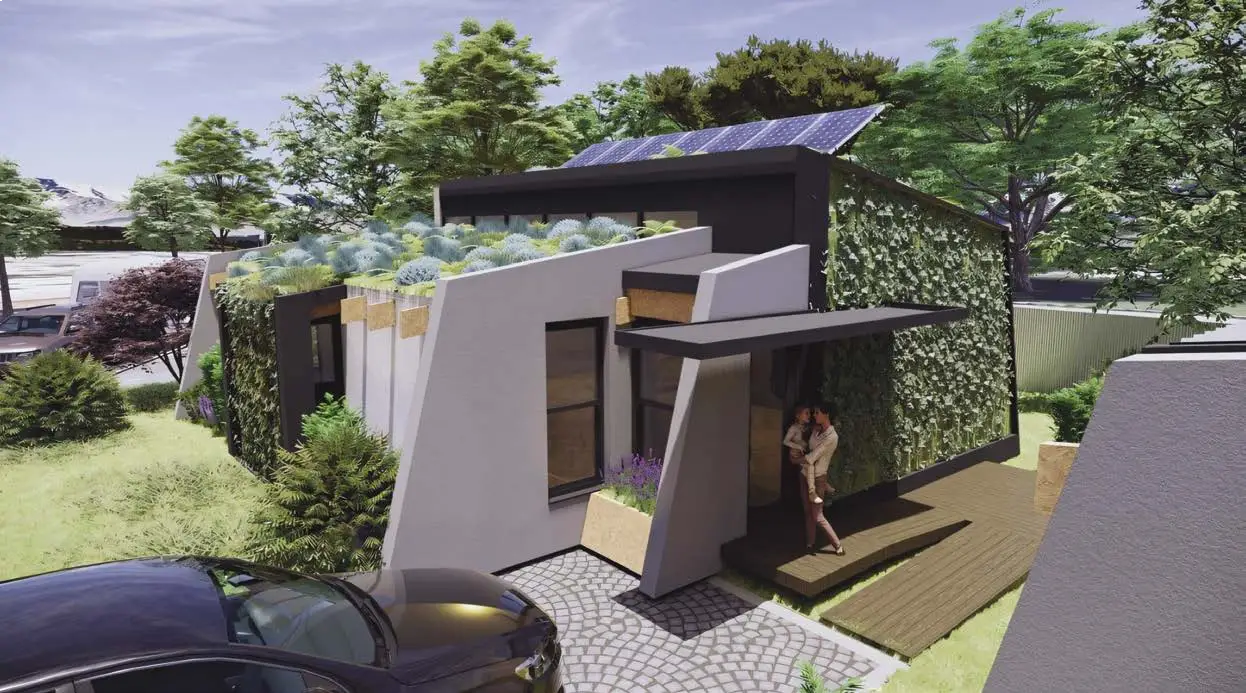
Reimagining the humble cabin
Samantha Bothma M.ACould clever design improve the thermal performance of holiday cabins and reduce the energy needed to cool and heat them? Willow Aliento investigates.
The triple benefits of double-skin façades
Daniel Bonatti, M.AIRAH, explains how double-skin façades can improve building performance through enhanced heat, light and acoustic management.

Baby steps
Australia’s HVAC&R industry has improved when it comes to parental leave, but as we found out from people with first-hand experience, it still has a long way to go.
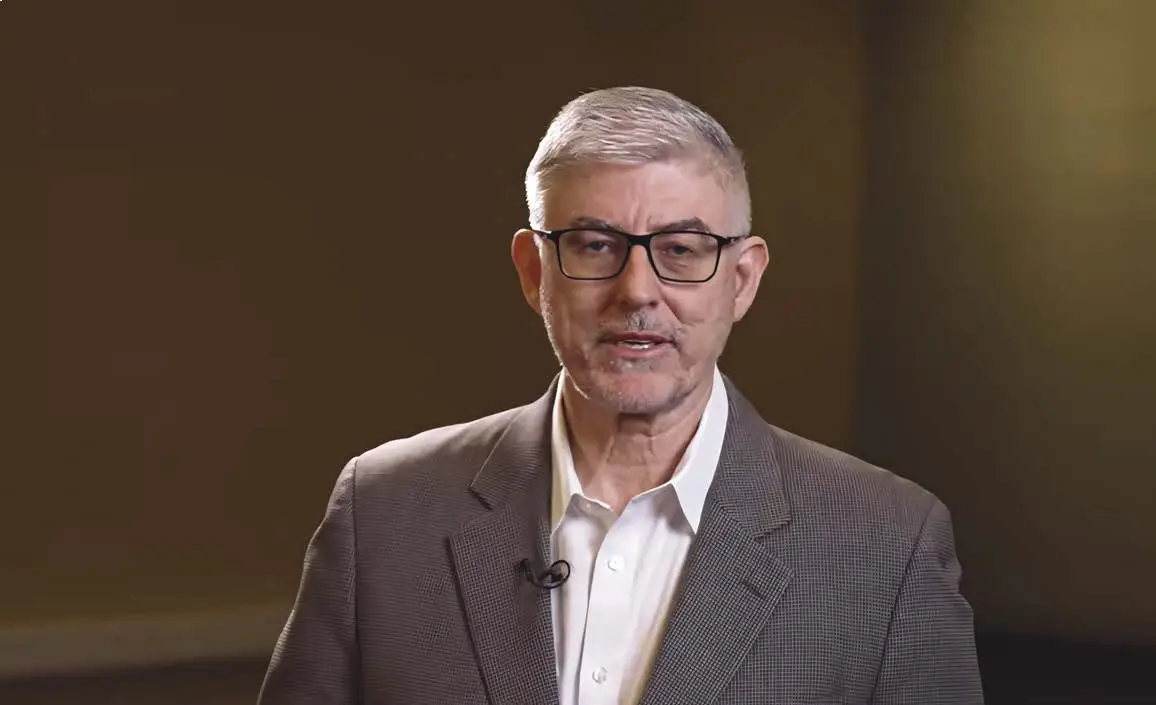
Prioritising people in HVAC design
AIRAH Advocacy and Policy Manager Mark Vender speaks with ASHRAE Fellow and Distinguished Lecturer Robert Bean, whose occupant-first philosophies have sparked an entirely different way of thinking about HVAC design.

Quiet confidence
We review the debut book by Australian HVAC engineer and writer Gary (Guru) Raman, Affil.AIRAH
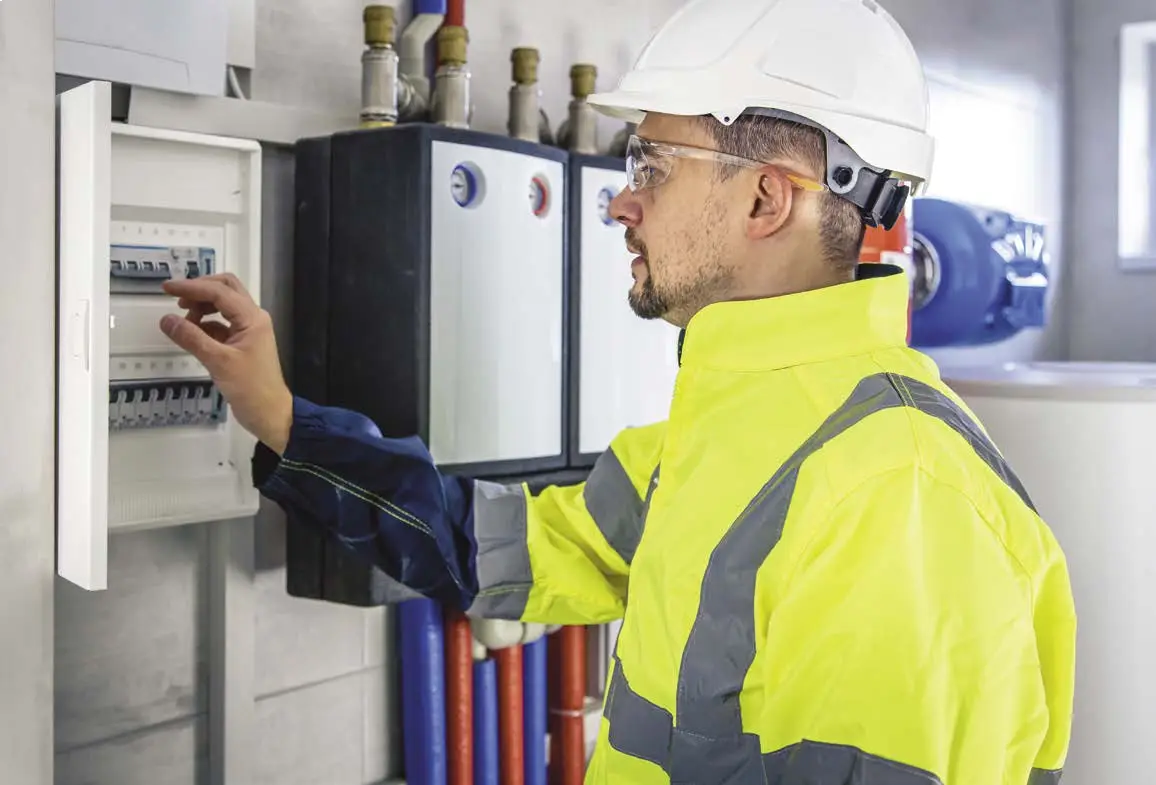
Total control
We examine the important role instrumentation and control technicians – or “instros” for short – play in optimising HVAC&R systems.

Meeting IAQ requirements in a South Australian canteen environment: reverse cycle versus indirect evaporative cooling
Poor indoor air quality is increasingly recognised as a hidden health risk, driving respiratory problems, exacerbating chronic disease, and accelerating the transmission of airborne infections
Explore the Ecolibrium edition archive
Edition archive