-
Choosing the right air filter for AS 1668.2:2024
Australian air filtration requirements for mechanically ventilated spaces are about to undergo a seismic shift – bringing local standards in line with international peers after lagging behind for over a decade.
-

Meeting IAQ requirements in a South Australian canteen environment: reverse cycle versus indirect evaporative cooling
Poor indoor air quality is increasingly recognised as a hidden health risk, driving respiratory problems, exacerbating chronic disease, and accelerating the transmission of airborne infections
-
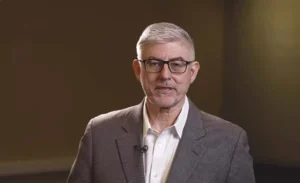
Prioritising people in HVAC design
AIRAH Advocacy and Policy Manager Mark Vender speaks with ASHRAE Fellow and Distinguished Lecturer Robert Bean, whose occupant-first philosophies have sparked an entirely different way of thinking about HVAC design.
-
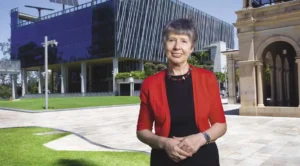
The living laboratory
Ecolibrium speaks with Distinguished Professor Lidia Morawska about an ambitious QUT project to provide world-leading indoor air quality monitoring and control in a university building.
-
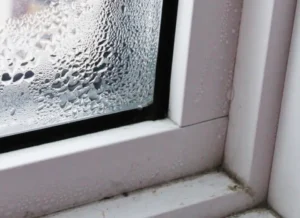
10 reasons why humidity control matters
With a dedicated humidity workshop taking place during IAQ26 in Cairns, AIRAH’s IAQ Special Technical Group (STG) reflects on the importance of humidity control.
-
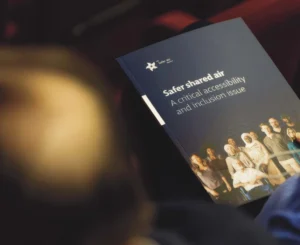
Making the invisible visible
-
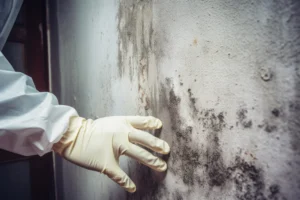
Fighting the hidden killer
With Standards Australia recently adopting a mould remediation standard, we look at how this hidden killer can harm both building occupants and HVAC&R technicians.
-
Fresh air forever
-
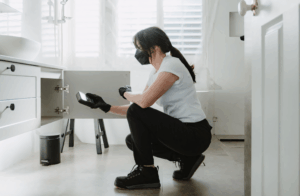
Insights from a mould inspector
Ecolibrium speaks with Jess Ward, whose experience with mould-related illness led to an extraordinary career change.
-
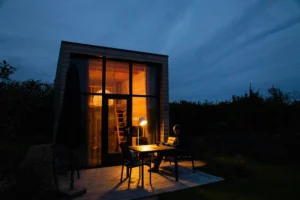
The big impact of tiny living
Australians own and use an excessive amount of floor space compared to other countries. Laura Timberlake explores how going small can have big benefits for thermal performance, heating and cooling costs, and the embodied carbon of residential buildings.
-
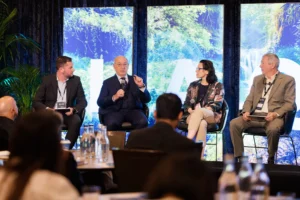
Key takeaways from IAQ25
We look back at the major discussions from AIRAH’s 2025 Indoor Air Quality Conference (IAQ25), which was held in Melbourne from May 26–27.
-
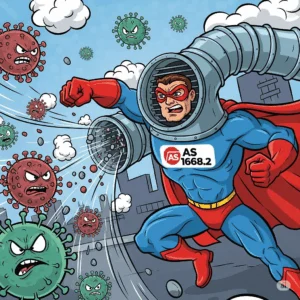
Celebrating AS 1668.2, Australia’s misunderstood ventilation hero
Sonia Holzheimer, M.AIRAH, reflects on the good, the bad, and the ugly misunderstood aspects of AS 1668.2.
-
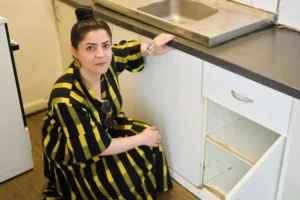
Breaking the mould
When Dr Mali Rezaei moved into a one-bedroom rental in Melbourne’s southeast in 2021, she had no idea how severely her life would be affected by mould.
-
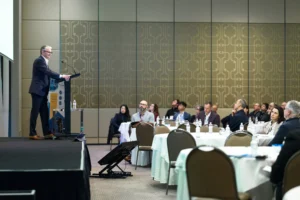
The importance of safe air at events
Amy Lewis from the Safer Air Project introduces a toolkit for making events safe, accessible, and inclusive for those at risk from poor IAQ.
-
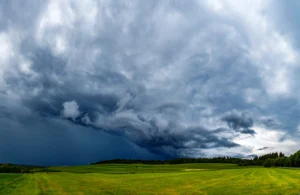
Why does hot air rise?
We’ve all heard the saying “hot air rises”. Daniel Bonatti, M.AIRAH, explains why this phenomenon occurs, how our understanding has evolved over time, and what it means for practical applications in building design.
-
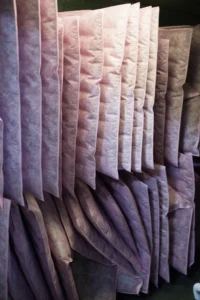
Slow response to new filter standards
An important changeover of filter standards is underway in Australia, but industry has so far been slow to move.
-

How’s your air? Q&A with Brandon Chappo
After mould-related illness turned Brandon Chappo’s life upside down, he co-founded Change the Air Foundation to do provide a voice for the millions of others affected.
-
Mitigating airborne pathogens indoors: A systematic review of existing and next-generation air cleaning technologies
This technical paper provides a systematic review and comparison of existing and next-generation air cleaning technologies.
-

Legionella in a warming world
Clive Broadbent, L.AIRAH, discusses how climate change and increases in surface water temperatures could potentially encourage the growth of bacteria that prefer warm water (mesophiles), including Legionella.
-
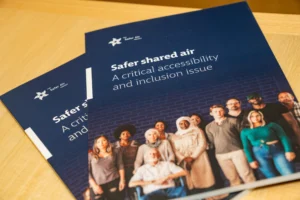
Making air safe
A report launched at Parliament House in November has highlighted the human impact of poor indoor air quality, framing it as an access and inclusion issue.