NCC 2025 slated for publication in early 2026

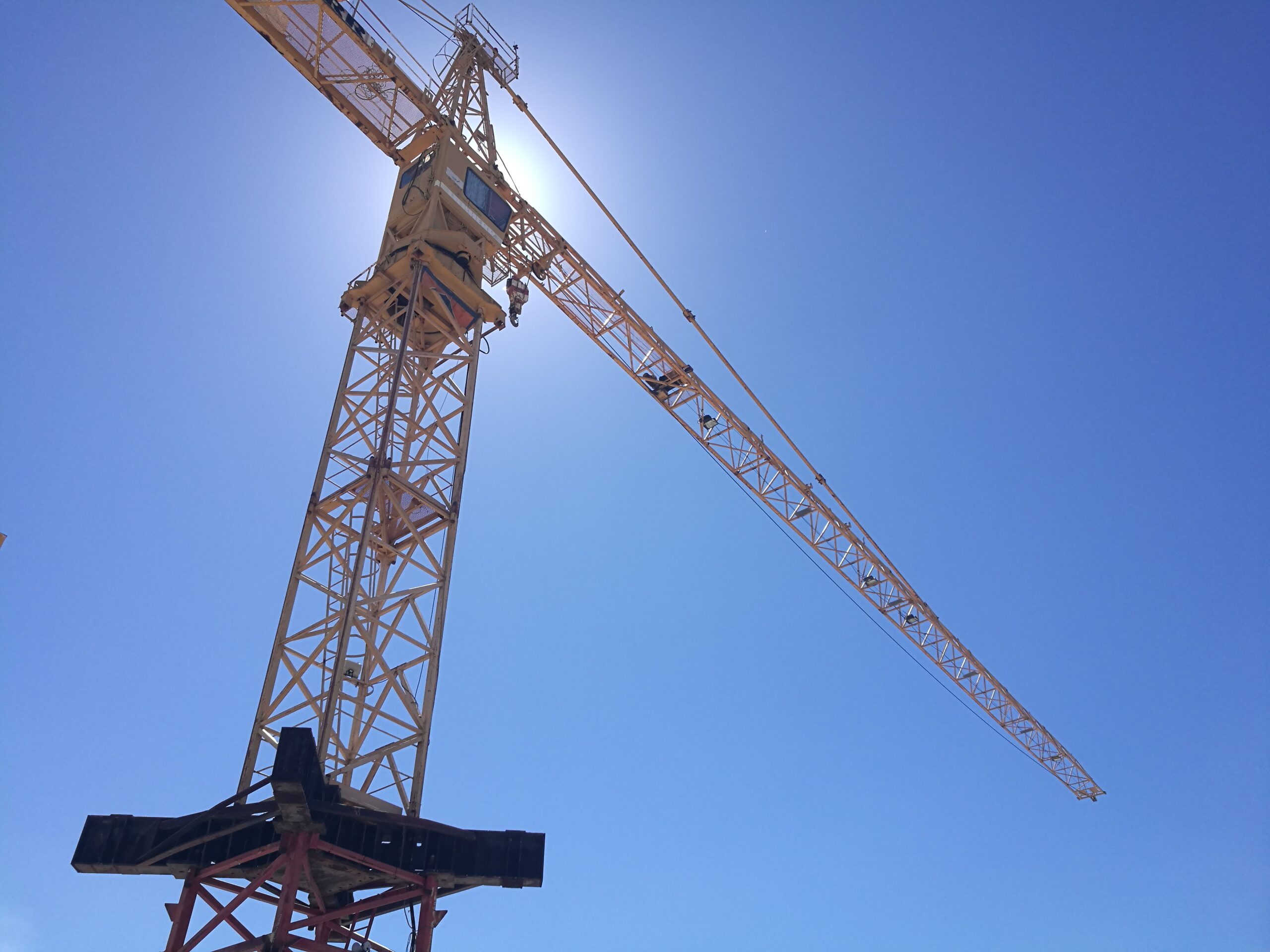
Commonwealth, state and territory building ministers have agreed on the timing of future updates to the National Construction Code – including NCC 2025.
Stakeholders in the commercial buildings sector were relieved to finally receive confirmation that NCC 2025 will be published by February 1, 2026. States and territories can consider adoption from May 1, 2026, though this decision will be left to each jurisdiction.
After considering advice from the Australian Building Codes Board (ABCB), building ministers discussed the proposed provisions in NCC 2025 and agreed on the following:
- Commercial energy efficiency reforms including efficiency improvements and mandatory onsite solar photovoltaic systems to support net zero ambitions
- Condensation mitigation
- Carpark fire safety provisions for commercial and apartment buildings
- Water management in commercial and apartment buildings to prevent water ingress.
Voluntary embodied carbon provisions will be published as an ABCB guidance document, and EV charging provisions and residential energy efficiency changes will not be introduced.
Streamlining the NCC
Building ministers agreed that there is potential to improve and modernise the NCC, ensuring a fit-for-purpose regulatory environment that supports the industry to build more homes, more quickly.
Agreed scope for the work underway includes considering how to:
- Streamline and use AI to improve useability of the NCC for trades, small businesses and households
- Reduce the regulatory burden on the building and construction industry
- Remove barriers to the uptake of modern methods of construction
- Improve how code provisions are developed by the ABCB and consider the appropriate cadence of future NCC updates.
According to the communique released after the meeting, this work will encourage greater national harmonisation, while recognising the need for state and territorybased regulatory changes that reflect the specific quality and efficiency needs of each jurisdiction.
Pressing pause on residential
In line with the Commonwealth announcement in late August that no further residential changes to the NCC, except for essential quality and safety measures, will be made until mid-2029, the building ministers agreed on a pause.
Exemptions will only apply to serious issues and changes that can’t be deferred until the next edition of the code. Other changes will be held over.

ARC unveils streamlined reporting tool
The Australian Refrigeration Council (ARC) has launched a new “report a breach” form on the ARCtick website.
The ARC says the form makes it easier for industry members and the public to report potential breaches of refrigerant handling regulations under the Ozone Protection and Synthetic Greenhouse Gas Management Act 1989.
Users can make reports easily via arctick.org, with the option to remain anonymous.
The ARC says the initiative supports its ongoing commitment to environmental responsibility and regulatory integrity across the refrigeration and air conditioning sector.
The ARCtick website provides a list of potential reportable breaches and outlines how submissions will be assessed. Potential breaches include:
- Unlawful discharge of regulated refrigerants
- Carrying out work without a permit
- Possessing refrigerant cylinders without a valid permit
- Suspected breaches of permit conditions
- False claims or false advertisement of holding a permit.
Each report is reviewed by the ARC’s compliance team. Depending on the nature of the report, the ARC may conduct further enquiries or engage directly with the individuals or businesses involved. High-risk issues may be escalated to the Department of Climate Change, Energy, the Environment and Water (DCCEEW) for regulatory action.
Use the form
Users can make a report here.
This article appears in Ecolibrium’s Summer 2025–26 edition
View the archive of previous editions
From our advertisers

Recent articles



Latest edition
See everything from the latest edition of Ecolibrium, AIRAH’s official journal.